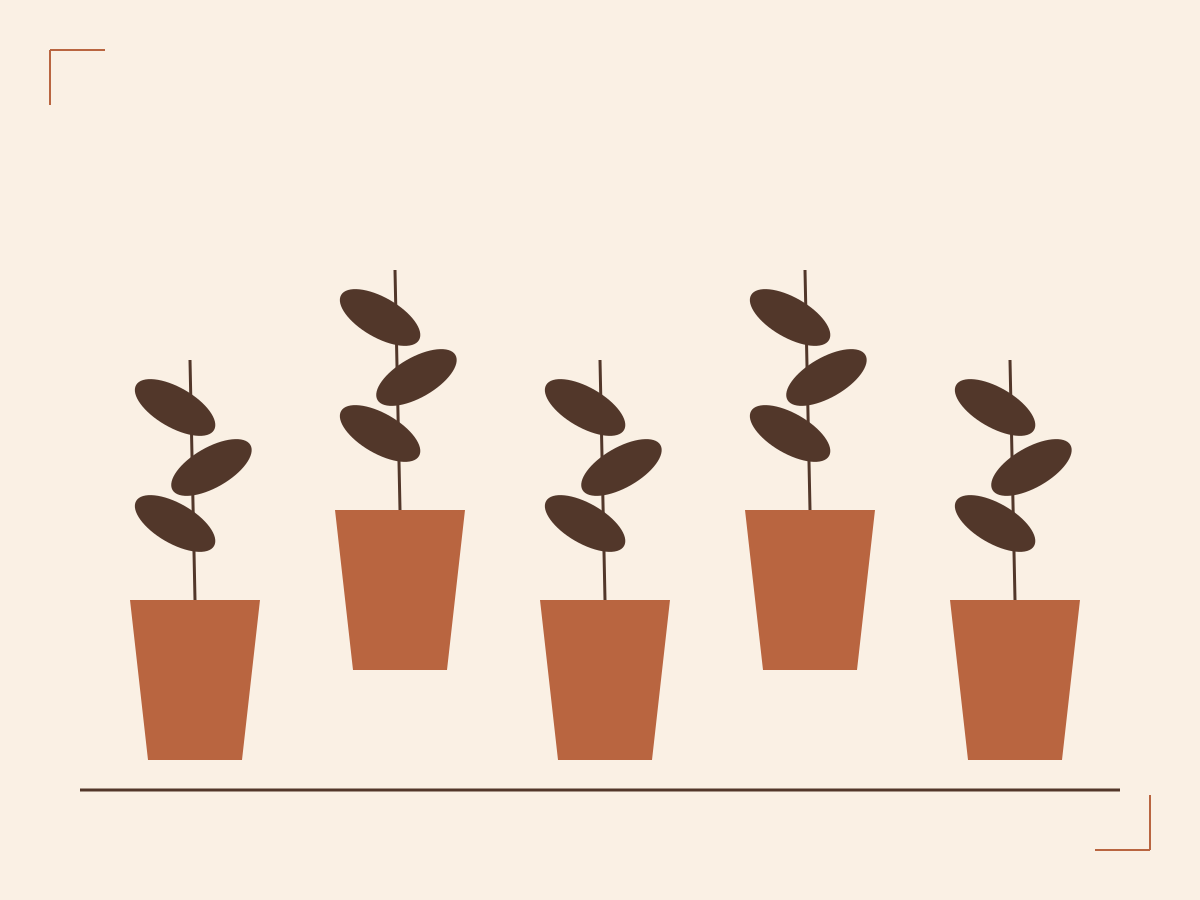
A tray for three pots is a small study within Sill & Sprout, our collection about small container arrangements on indoor windowsills. The aim is to give one ordinary detail enough attention to become useful. Begin with terracotta pots, keep a ruler and a garden notebook nearby, and let the exercise set the scale of the session.
Build a simple arrangement
Arrange three containers so each can be lifted separately. This is the central task for this page. Before beginning, write the subject as a short heading and leave space for a drawing or a few measured notes. Your first record should show what was actually in front of you rather than what you expected to find.
Begin with the place rather than a shopping list. Note the container size, the space around it and the times when direct light reaches it. Keep access for watering and cleaning. An arrangement that is easy to reach will teach you more than an ambitious display that is difficult to look after.
A useful way to work
Test a grouping with empty outlines before moving pots. Treat a gardening note as a record of one particular spot. Write down the material, the date and what you changed, then observe before changing something else. Check the needs of any actual plant separately. A sketch of positions and a short maintenance note make the next attempt easier to compare.
- Give this session a clear heading: A tray for three pots.
- Arrange three containers so each can be lifted separately.
- Test a grouping with empty outlines before moving pots.
- Save one observation and one question in your own words.
Try a second pass
For a second pass, keep the subject of a tray for three pots and change the way you record it. A short diagram can replace a long description; a paired comparison can replace a single impression. Keep the first attempt alongside the second so the difference remains visible. If the result is uncertain, name the uncertainty instead of filling the gap.
Keep the useful detail
Close the page with one sentence about terracotta pots and one question that arose from this particular exercise. Turning a display offers a related direction: compare the view before and after rotating the arrangement. The connection is a starting point, not a requirement to complete the journal in order.